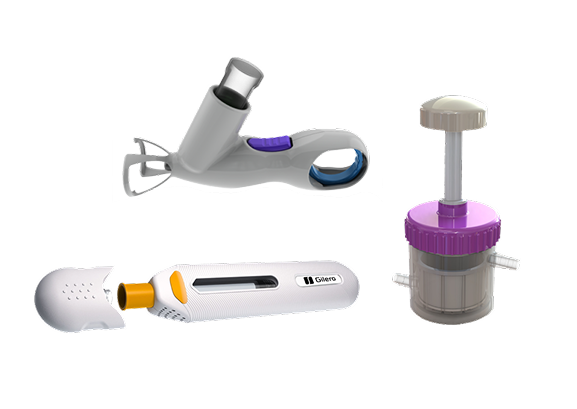
Safety and efficacy of drugs are top priorities. However, biologic drugs are sensitive molecules, and they can be damaged easily, leading to risks around both safety and efficacy. Most mechanisms of particle damage lead to particulates in the liquid, so we can use particle counting to measure the damage. In the United States there is a maximum allowed number of particulates that can be injected in a patient and it is defined by the USP <788> standard.
In most cases particles are one of:
- Protein aggregates;
- engineering materials shed from the storage container or delivery device;
- or silicone oil droplets.
Protein aggregates tend to be the most prevalent particles and can be a clear indicator of damage to the drug and therefore a reduction in the drug’s therapeutic effect.
Multiple factors can cause protein aggregation, including:
- The presence of air-drug interfaces;
- Material-drug interactions; and
- Fluid agitation.
Testing for particles throughout the development of a drug delivery device can ensure that the design is suitable for the delivery of biologics and adjustments can be made before the design is finalised.
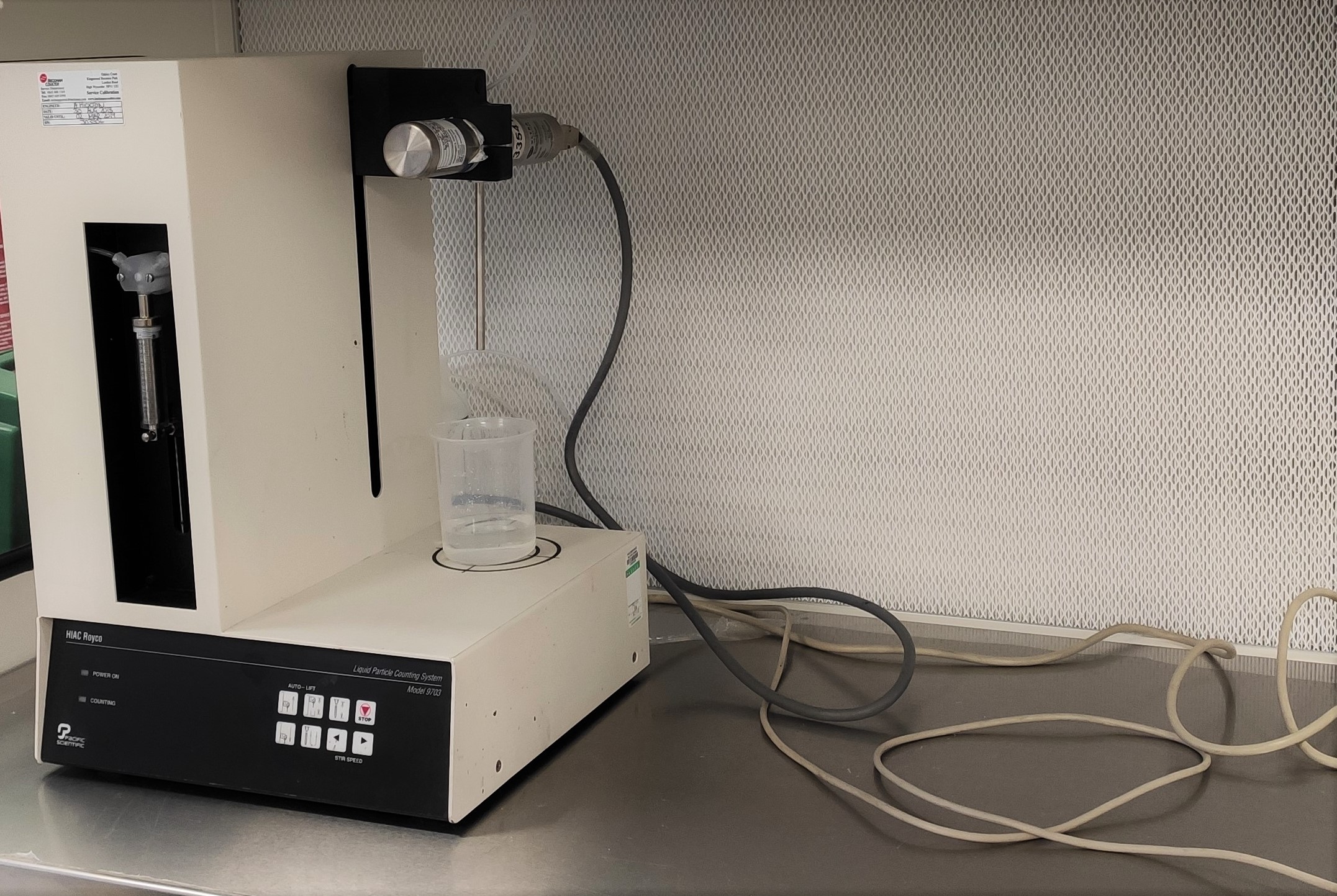
USP <788> describes two methods for testing the number of particles in the drug solution. The first and preferred method is light obscuration particle counting. At Springboard we use this method to assess how the device design may affect the biologic drug.
If protein aggregation has already been identified, we can use a combination of theoretical and experimental investigations to understand the root cause of the aggregation. We can then recommend design changes and help you implement those changes, to ensure a safe device is obtained at the end of the development.
Contact us if we could help with your device or drug development.
— Arianna Rech