The Challenge
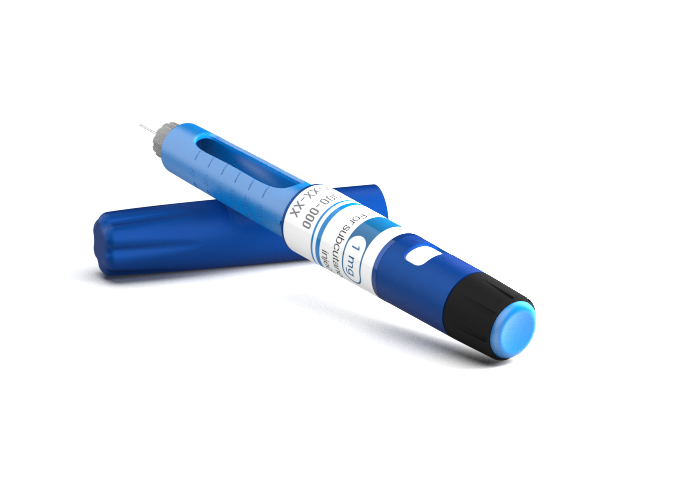
A client approached Sanner as they had an issue with a new pen injector. The force needed to administer the drug was too high, making it unattractive for end users. There were several complexities to the design and significant changes to the design were limited by IP constraints. They wanted to understand what they could do to reduce the force most effectively, or if it was even possible with their current design.
Our Approach
We produced a theoretical model of where energy was lost in the device. We used an interaction matrix to consider all the interactions between components, and for each one, calculated losses due to friction based on geometry, materials etc. From this we were able to see that the majority of the losses came from a few interactions.
We then did a series of top-down testing. We built a test fixture which allowed us to isolate different parts within the device and measured how the forces were transferred through them on our calibrated force-tester. This allowed us to validate our theoretical modelling and understand the variation in real-world parts.
The Result
Faced with a complex problem and lots of potential solutions, we were able to increase our clients’ understanding of their own design and help them to prioritise their focus where it would have the biggest impact. This, backed up with rigorous test data gave them a clear picture of the possible improvements they could make to meet their end- users’ needs.