The Challenge
Our client was developing a product for use in harsh environments which needed to be extremely robust. They were having difficulty passing one of their drop test requirements, which was a particularly challenging test but vital for them to successfully launch the product for this market.
They approached Sanner and asked us to conduct a detailed analysis of the problem and update the design to meet these very stringent requirements.
Our Approach
We needed to understand which parts of the design were failing under the drop test. We were able to infer some information from inspecting the failed units, but to properly understand the failure mode, we used high speed video analysis to see exactly what was happening as parts were put under strain and pinpoint the root cause. We then used finite element analysis to model the expected stress and strain in the component and found that we did indeed expect it to yield under these conditions. Finite element analysis also offered us a way to rapidly ‘test’ different potential designs for this component without carrying out multiple rounds of time consuming and costly destructive tests.
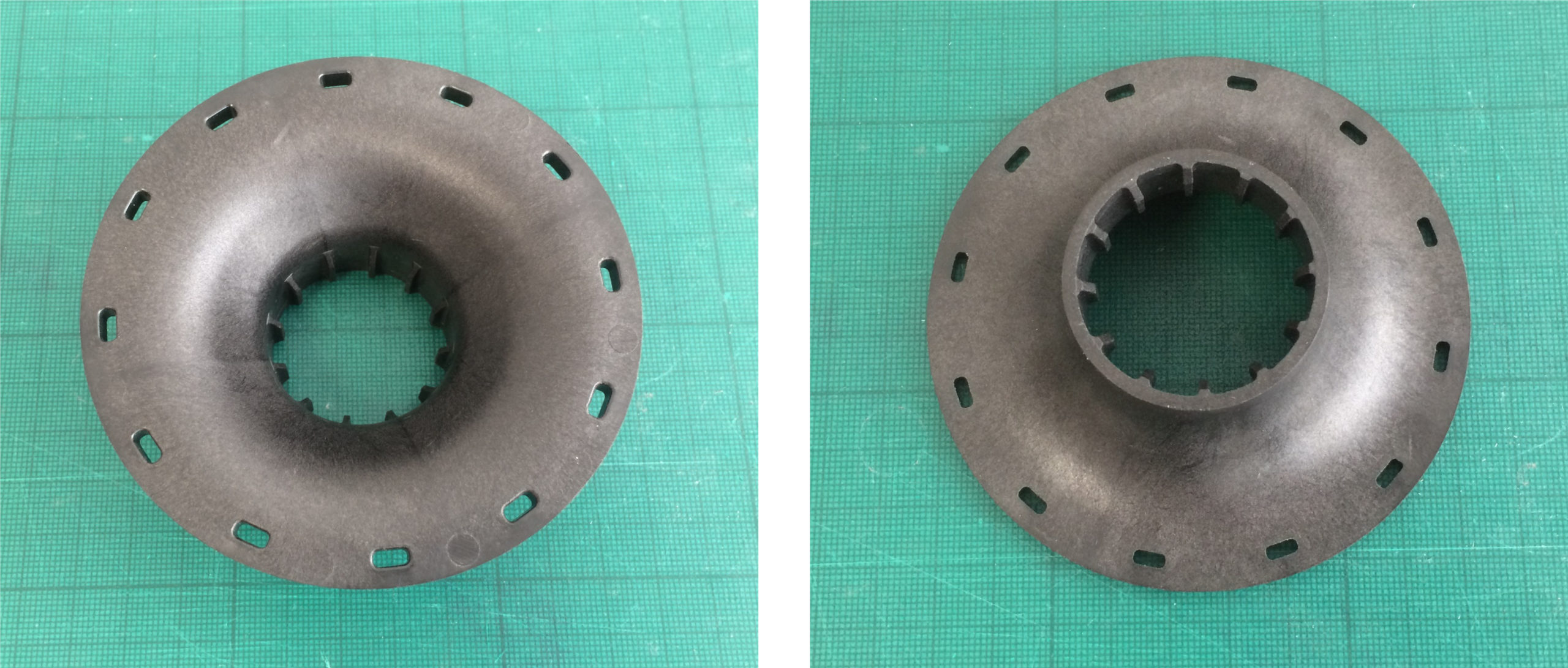
We carried out the detailed design of the new component to stiffen the product, including tolerance analysis and the interface with the rest of the assembly. We worked closely with the moulder during the design to ensure the part could be produced easily and to establish split lines and gate positions etc. Sanner was the design authority and released the final drawings to the toolmaker and set the approval requirements for the tool and the inspection criteria for finished parts.
The Result
Our analytical approach to the problem allowed us to minimise the required design changes by identifying the single point of failure in the design. By applying finite element analysis we were also able to design a solution without extensive iteration.
Having identified a solution, we carried out the detailed design of the updated component and managed the production of an injection moulded part which could be used as a direct replacement in our clients’ product. This allowed them to successfully pass the required test without a full redesign, a risk which could otherwise have jeopardised the success of the whole project.
After working with us, the client’s device passed the failure test and they were able to move forward with their device.