
Studies in neuroscience and physiology show that stress, pain, disrupted sleep, and mental fatigue are indicators of reduced flexibility in the autonomic nervous system (ANS). Under normal conditions, the ANS shifts fluidly between sympathetic “fight-or-flight” activity and parasympathetic “rest-and-repair” processes, but chronic stress can disrupt this balance.
The vagus nerve plays a central role in regulating autonomic function, linking the brainstem with major organ systems. Reduced heart rate variability (HRV), which is a key biomarker for vagal tone, has been associated with decreased stress resilience, higher cardiovascular risk, and increased prevalence of anxiety, depression, and chronic disease.
Non-invasive transcutaneous auricular vagus nerve stimulation (taVNS) has shown promise in modulating autonomic activity and improving outcomes in conditions including depression, epilepsy, inflammatory disorders, and chronic pain. However, existing taVNS devices are often bulky, difficult to self-administer, and limited in their capacity to deliver individualised stimulation.
SONA partnered with Springboard to develop their taVNS device designed to address these limitations. Critically, SONA is able to track HRV during a stimulation session to confirm parasympathetic activation. A history of HRV measurements coupled with an advanced closed-loop control algorithm will allow SONA to adapt stimulation parameters, aiming to increase baseline HRV and improve autonomic flexibility. This is therefore not just passive vagal stimulation, but a structured approach to support neuroplasticity and retrain neural networks.
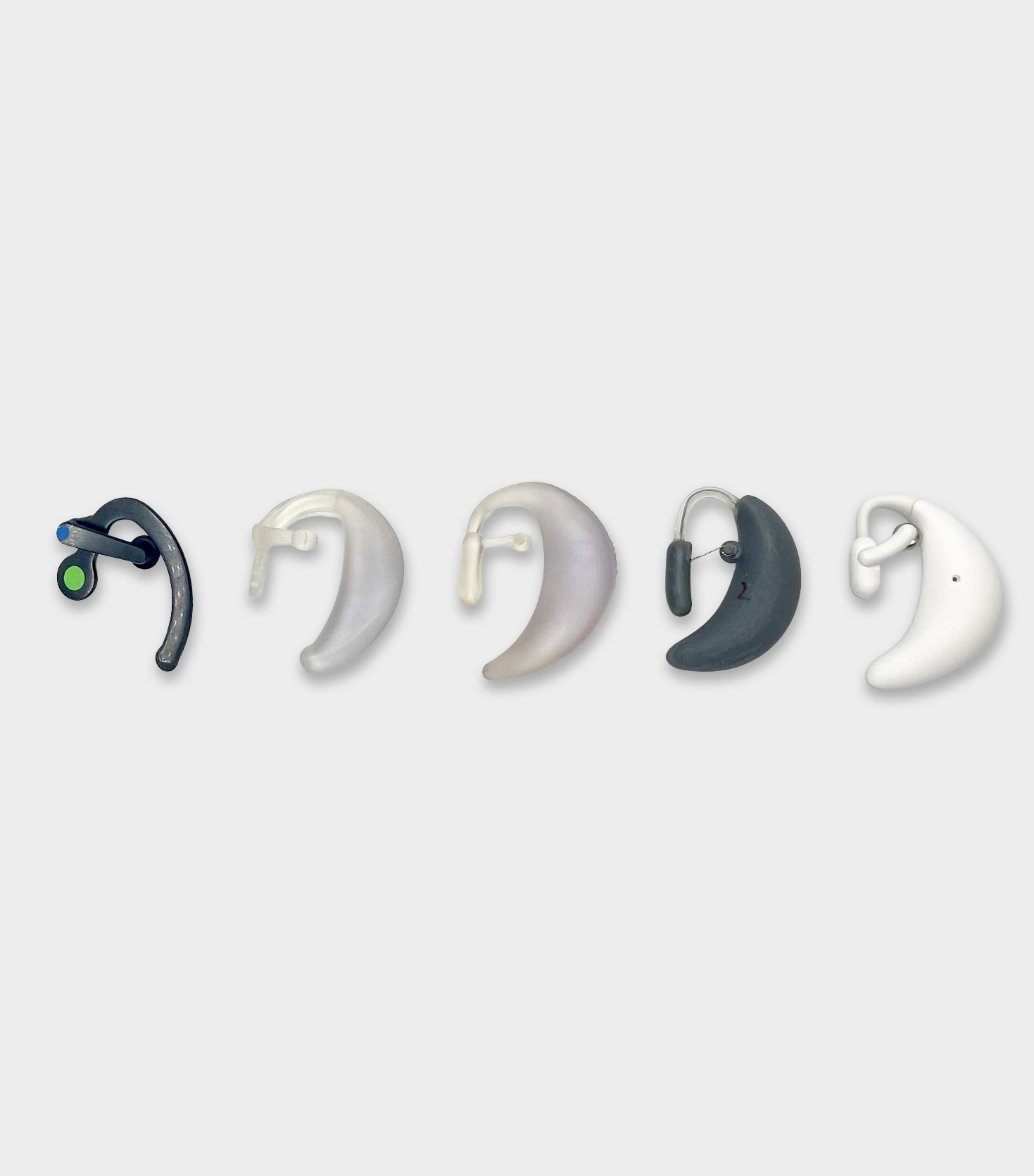
By placing user needs front and centre, Springboard’s industrial design and human factors teams worked collaboratively with SONA to develop a clear product vision which incorporated SONA’s unique brand identity. This was pulled into reality by Springboard’s engineering team in the form of a functional pre-production prototype. Although the prototype design drew on the deep manufacturing knowledge of the Sanner Group, it was built using rapid prototyping techniques to put devices into testers’ hands as quickly as possible.
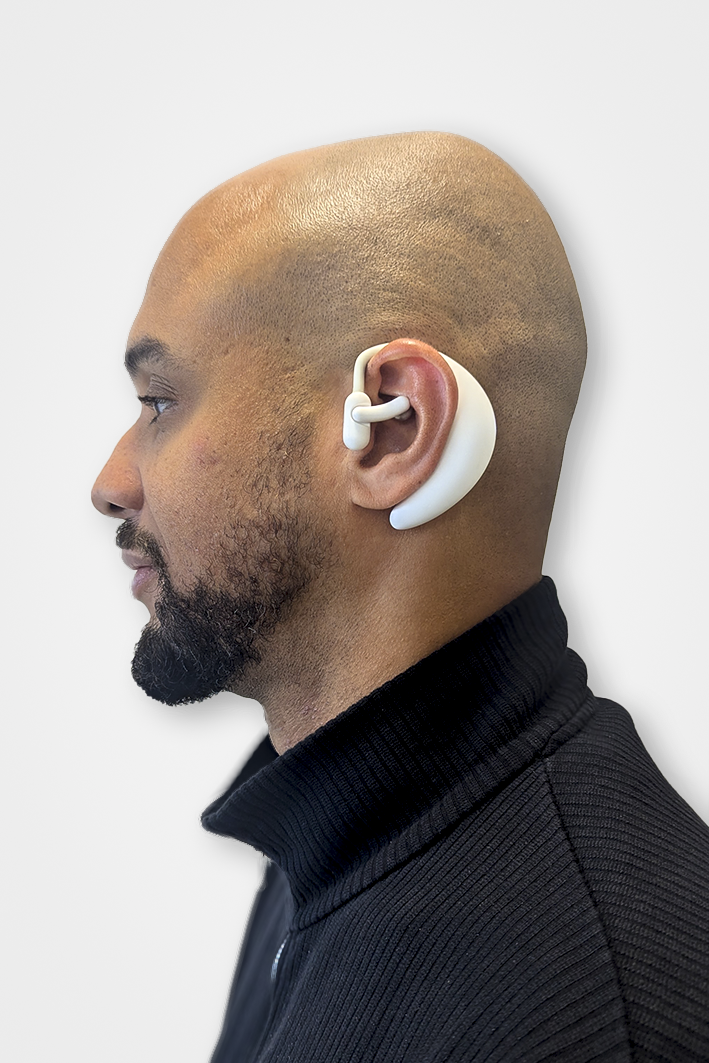
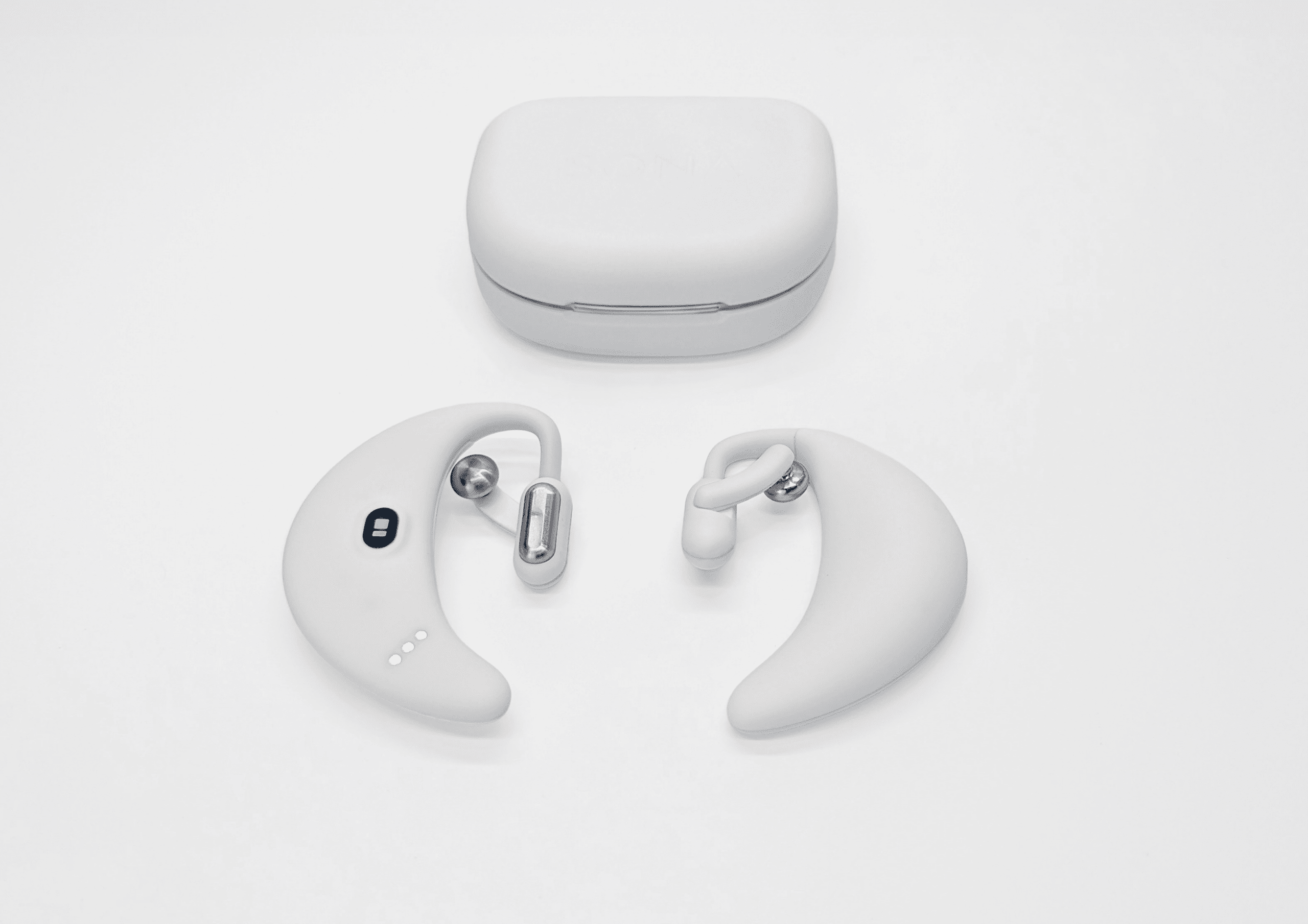
Most consumer devices only target the tragus for ease of application, despite evidence that the cymba conchae has higher vagal fibre density. Springboard’s innovative electrode design enables SONA to engage both of these regions to provide more comprehensive and effective stimulation.
SONA represents the cutting edge of neuromodulation as it moves towards personalised, biomarker-driven approaches, and we’re excited to be part of this journey.